

Marathon Watch Instructions: A Comprehensive Guide
Navigating marathon training and racing demands a reliable timepiece; this guide explores essential features, accuracy, and setup for optimal performance and insightful data tracking.
From tritium luminescence to advanced heart rate monitoring, we’ll cover everything needed to maximize your watch’s potential during your marathon journey.
Understanding Marathon Watch Accuracy
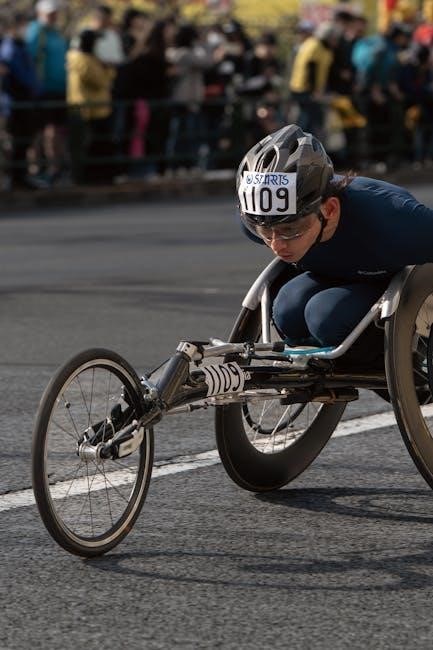
Achieving precise timekeeping is paramount during a marathon, and understanding your watch’s accuracy is the first step. The Marathon GSAR, for instance, boasts an impressive accuracy of -0.3/+0.5 seconds per day, a testament to its Swiss-made quality.
However, accuracy isn’t solely about the watch itself; external factors play a role. GPS-based watches, like those from Garmin, rely on satellite signals, which can be affected by weather, tall buildings, or tree cover. This can lead to slight variations in distance and pace readings.
Optical heart rate sensors, while improving (as noted by Tom’s Guide), aren’t always as reliable as chest straps. For training analysis, prioritizing a chest strap, like the Garmin HRM 600 or Wahoo TRACKR, provides more consistent and dependable data. Recognizing these nuances ensures you interpret your watch’s data effectively and adjust your training accordingly.

Key Features of Marathon Watches
Marathon watches are engineered for durability and functionality, prioritizing features essential for long-distance running and challenging conditions. A standout characteristic is tritium gas tube luminescence (Hodinkee), providing consistent, self-powered illumination without relying on sunlight or batteries – crucial for pre-dawn starts or dimly lit trails.
Beyond illumination, robust construction is key. The Marathon GSAR, a Swiss-made military issue diver’s automatic watch (WatchRanker), exemplifies this with its rugged build quality. Modern marathon watches, like those from Garmin and Apple, offer advanced features such as GPS tracking, heart rate monitoring, and customizable data screens.
Essential features include long battery life, water resistance, and comfortable strap options. The integration of sensors for tracking running economy (Garmin HRM 600) further enhances data analysis and training optimization.
Luminescence Technology: Tritium Gas Tubes
Tritium gas tubes represent a significant advancement in watch illumination, offering a consistently bright and reliable glow independent of external light sources. Unlike traditional luminous paints that require charging from sunlight or electric light, tritium tubes emit light continuously for up to 25 years (Hodinkee).
This self-powered luminescence is achieved through a sealed glass tube containing tritium gas. As the tritium decays, it excites phosphors coating the inside of the tube, causing them to glow. This process provides exceptional visibility in low-light conditions, crucial for marathon runners training or racing before dawn or during overcast weather.
Marathon watches frequently utilize this technology due to its dependability and longevity. The consistent glow ensures readability without draining battery power, a vital consideration for extended events.
Garmin Watch Stats for Marathon Training
Garmin watches offer a wealth of data for marathon preparation, but focusing on key metrics is crucial to avoid analysis paralysis (Tom’s Guide). Five essential stats to regularly monitor include current pace, elapsed time, heart rate, lap pace, and lap time. These provide immediate feedback on performance during training runs.
Conversely, some stats offer limited value for most runners. Ignoring metrics like vertical oscillation, ground contact time balance, and stride length can simplify data interpretation. Prioritize stats directly impacting pace and endurance.
Utilizing these focused metrics allows for informed adjustments to training intensity and pacing strategies, ultimately enhancing marathon performance. Regularly reviewing these stats helps identify trends and optimize your training plan.

Essential Stats to Monitor
During marathon training, consistently tracking specific metrics provides invaluable insights into your progress and physiological response (Tom’s Guide). Current pace is paramount, offering real-time feedback on your speed and effort. Equally vital is elapsed time, indicating the duration of your run and overall training volume.
Heart rate monitoring reveals exertion levels, helping to ensure you’re training within appropriate zones. Lap pace and lap time provide granular data, allowing you to analyze performance consistency across segments. These stats, when viewed collectively, paint a comprehensive picture of your running fitness.
Regularly reviewing these essential stats empowers you to make data-driven adjustments to your training plan, optimizing your preparation for race day.
Stats to Prioritize During Training

While numerous metrics are available, focusing on key indicators streamlines analysis and prevents data overload (Tom’s Guide). Running economy, measurable with devices like the Garmin HRM 600, reveals efficiency – how much oxygen you consume at a given pace. This is crucial for long-term improvement.
Heart rate variability (HRV) offers insights into recovery and readiness, indicating your body’s ability to adapt to training stress. Cadence, or steps per minute, influences running form and injury risk. Monitoring these alongside pace and heart rate provides a holistic view.
Prioritizing these stats allows for targeted adjustments to training intensity, recovery protocols, and form, ultimately maximizing performance gains and minimizing the risk of setbacks.
Heart Rate Monitoring: Chest Straps vs. Optical Sensors
Accurate heart rate data is vital for effective marathon training, but the method of measurement significantly impacts reliability. Optical sensors, found in many smartwatches, have improved (Tom’s Guide), offering convenience. However, they can be susceptible to inaccuracies due to movement or poor fit.
Chest strap heart rate monitors, conversely, provide a more consistent and precise reading by directly detecting electrical signals from the heart. While less convenient, this reliability is crucial when using heart rate data to guide training intensity and analyze performance.
For serious marathoners, especially those utilizing data-driven training plans, a chest strap is generally recommended for its superior accuracy and dependability.
The Benefits of Chest Strap Heart Rate Monitors
Chest strap heart rate monitors offer several key advantages for marathon training. Their primary benefit lies in superior accuracy compared to optical sensors, providing a more reliable data stream for analyzing training load and physiological response.
Beyond basic heart rate, advanced models like the Garmin HRM 600 track additional metrics such as running dynamics – including ground contact time, vertical oscillation, and running power – offering deeper insights into running economy. This data is invaluable for identifying areas for improvement and optimizing technique.

The consistent and precise readings from chest straps ensure that training zones are accurately defined and maintained, maximizing the effectiveness of interval workouts and long runs.
Recommended Chest Strap Models (Garmin HRM 600, Wahoo TRACKR)
For runners prioritizing accuracy and advanced metrics, the Garmin HRM 600 stands out. This rechargeable chest strap not only delivers precise heart rate data but also tracks running dynamics like ground contact time and vertical oscillation, providing a comprehensive view of running form.
However, the HRM 600 comes with a higher price tag. The Wahoo TRACKR presents a compelling alternative for those seeking reliable heart rate monitoring without the premium cost. It consistently delivers accurate data and seamlessly integrates with various running watches and fitness apps.
Both models offer comfortable designs and secure fits, essential for long training runs and race day. Consider your budget and desired features when choosing between these two excellent options.
Setting Up Your Watch Display for Race Day
Optimizing your watch display is crucial for efficient race-day monitoring. Avoid information overload; prioritize essential data points that directly impact pacing and performance. A well-configured display allows for quick glances without breaking stride or losing focus.
Consider a multi-screen setup, cycling through key metrics. Screen one should display elapsed time, providing a constant awareness of your overall progress. Screen two should showcase current pace and lap pace, enabling immediate adjustments to maintain your target speed.
Including heart rate on a third screen allows for monitoring effort levels and preventing early burnout. Experiment with different layouts during training to find a configuration that suits your preferences and provides the most valuable information at a glance.
Essential Data Fields for Marathon Racing
During a marathon, focus on data that directly influences pacing and energy management. Prioritize fields providing real-time feedback on your performance and physiological state. Avoid cluttering the display with unnecessary metrics that can distract you during critical moments.
Elapsed time is fundamental, offering a continuous measure of your race duration. Current pace is equally vital, allowing for immediate adjustments to stay on target. Lap pace provides insight into recent performance, revealing whether you’re speeding up or slowing down.
Heart rate monitoring is crucial for gauging effort levels and preventing overexertion. Consider including lap time for split analysis and strategic pacing. These core data fields empower informed decisions throughout the race, maximizing your chances of success.
Screen Configuration Examples (Elapsed Time, Pace, HR)
A streamlined screen setup is paramount for efficient data access during a marathon. Consider a multi-screen approach, cycling through key metrics without excessive swiping or button presses.
Screen 1: Elapsed Time – Display the total race time prominently for a constant awareness of progress. Screen 2: Current Pace, Lap Pace, and Lap Time – Combine these for immediate pacing feedback and split analysis. This allows quick assessment of recent performance.
Screen 3: Heart Rate – Monitor your effort level to maintain optimal intensity. Customize data field sizes for readability, prioritizing the most critical information. Regularly practice screen transitions during training to ensure seamless operation on race day.
Marathon Watch Battery Life and Maintenance
Prolonging your watch’s battery life is crucial during a marathon, especially with GPS and heart rate monitoring active. Regularly check the battery level in the days leading up to the race, and fully charge it the night before.
Some watches, like the Marathon GSAR, feature an End of Life (EOL) indicator, signaling when a battery replacement is needed. For rechargeable models, minimize screen brightness and disable unnecessary features to conserve power.
Proper maintenance extends your watch’s lifespan. Clean the charging contacts regularly and avoid extreme temperatures. Store the watch in a protective case when not in use, and consider professional servicing for complex repairs.
Accuracy of Marathon Watches
The accuracy of a marathon watch is paramount for reliable data and pacing. High-quality models, such as the Marathon GSAR, boast impressive precision, reported at -0.3/0.5 seconds per day, ensuring consistent timekeeping throughout your training and race.
GPS accuracy can vary based on satellite signal strength, so calibrate your watch before each run in an open area. Heart rate sensors, while improving, may still exhibit slight variations; consider a chest strap for greater precision, especially when analyzing training data.

Regularly compare your watch’s data with known distances (e.g., a measured track) to verify its accuracy and identify any potential discrepancies. Consistent calibration and awareness of potential limitations will maximize your watch’s reliability.
Marathon GSAR: Swiss Made Military Issue Divers Automatic Watch
The Marathon GSAR is a robust, Swiss-made automatic watch originally designed for military use, renowned for its durability and reliability; Its construction prioritizes legibility and functionality in demanding conditions, making it a compelling choice for marathon runners seeking a dependable timepiece.
Featuring tritium gas tubes for consistent luminescence, the GSAR ensures clear visibility in low-light environments, crucial for early morning or evening runs. The watch’s automatic movement eliminates the need for battery changes, though it does include an End of Life (EOL) indicator to signal when servicing is required.
Its 36mm medium size offers a comfortable fit, and the GSAR’s water resistance provides peace of mind during all weather conditions. It’s a testament to enduring quality and practical design.
Apple Watch Workout Buddy (watchOS 26)
With the release of watchOS 26, Apple introduced Workout Buddy, a groundbreaking fitness experience designed to enhance marathon training and race-day performance. This innovative feature leverages the Apple Watch’s capabilities to provide real-time guidance and motivation during workouts.
Workout Buddy offers personalized pacing suggestions, adapting to your fitness level and race goals. It provides haptic feedback and on-screen prompts to help you maintain your target pace, preventing early burnout or inefficient running. The system integrates seamlessly with Apple’s existing fitness ecosystem.
This first-of-its-kind experience aims to make marathon preparation more accessible and effective, offering a dynamic and responsive training companion directly on your wrist.

Choosing the Right Watch for Marathon Training

Selecting the ideal marathon watch hinges on individual needs and priorities; consider features like GPS accuracy, heart rate monitoring, and battery life. For serious runners, Garmin models like the Forerunner series are popular, offering detailed training metrics and data analysis.
If prioritizing durability and reliability, the Marathon GSAR, a Swiss-made military issue divers automatic watch, presents a robust option. Apple Watches, particularly with watchOS 26’s Workout Buddy, provide a user-friendly experience with integrated fitness features.
Evaluate whether chest strap compatibility is crucial for precise heart rate data, or if optical sensors suffice. Ultimately, the best watch empowers you with the information needed to train effectively and achieve your marathon goals.
Running Economy Tracking with Advanced Sensors
Advanced sensors are revolutionizing marathon training, moving beyond pace and heart rate to quantify running economy. Devices like the Garmin HRM 600, when paired with compatible watches, can track metrics such as ground contact time, vertical oscillation, and stride length.
These data points offer insights into running form and efficiency, helping identify areas for improvement. Analyzing running economy allows for personalized training plans focused on minimizing energy expenditure and maximizing performance.
While these sensors provide valuable data, understanding their interpretation is key. Consulting with a running coach can help translate the metrics into actionable training adjustments, ultimately leading to a more efficient and successful marathon experience.

End of Life (EOL) Indicator for Battery Replacement
Maintaining optimal battery performance is crucial for uninterrupted marathon tracking. Many Marathon watches, particularly the GSAR models, incorporate an End of Life (EOL) indicator to signal when battery replacement is necessary.
This indicator alerts runners to diminishing power reserves, preventing unexpected watch failures during training or, critically, on race day. Ignoring the EOL signal can lead to inaccurate data or complete watch shutdown.
Regularly checking the battery status and promptly replacing it when the EOL indicator activates ensures consistent functionality. Proper battery maintenance extends the lifespan of your watch and guarantees reliable performance throughout your marathon journey.